In 2018, I joined a UK men’s fashion retailer where the previous year’s Black Friday had been a commercial disappointment. The business had spent heavily on paid advertising, but the returns had not justified the investment. My brief was to improve the commercial outcome, not simply generate more traffic or sales.
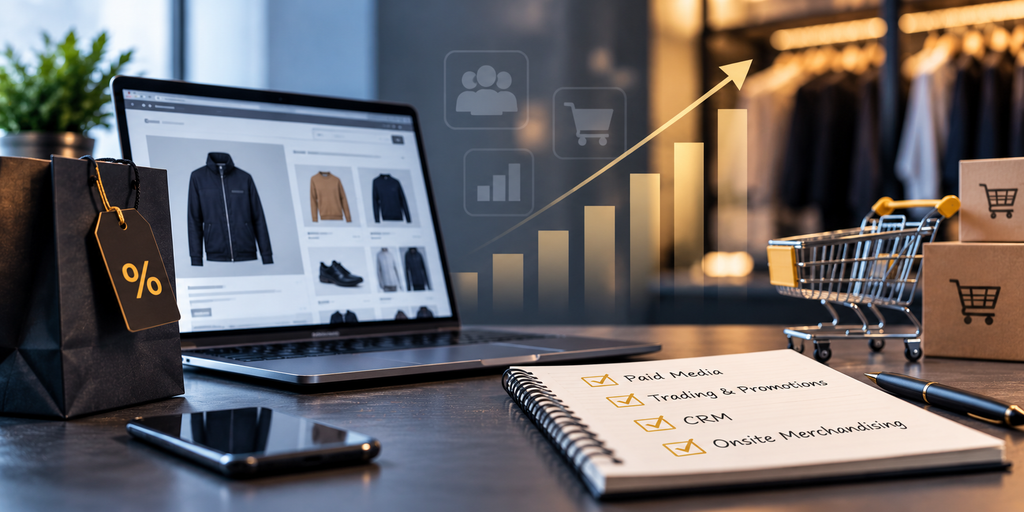
As I reviewed the 2017 activity, I found that paid media, trading, CRM and onsite merchandising, although all managed within Ecommerce, were not working closely enough together. Advertising decisions were not consistently linked to stock, promotions or customer demand. I wanted to change that before the next Black Friday.
Taking Control of Paid Media
One of the first issues I identified was a lack of experience in managing large promotional advertising budgets. The person responsible for paid campaigns in 2017 was accountable for performance and return on investment, but the results had fallen short. Recommendations from advertising partners were also being followed without enough consideration of our commercial priorities. I challenged those recommendations, reviewed spending in greater detail and made sure the business, rather than the advertising platforms, determined where we invested.
Protecting our own brand searches was another priority. During Black Friday, competitors were bidding on our brand name, threatening our visibility when customers were already looking for us. We actively defended those searches and maintained prominent paid placements, sometimes increasing bids as competition intensified. This was a deliberate decision to protect high-intent traffic, while remaining conscious of what that visibility cost.
Connecting Paid Campaigns with Stock Availability
A deeper review revealed that too much budget had gone towards generic keywords such as trainers and footwear. Those searches can reach potential customers, but many people using them are still browsing. During Black Friday, I wanted us to focus more on shoppers looking for specific products we actually had in stock.
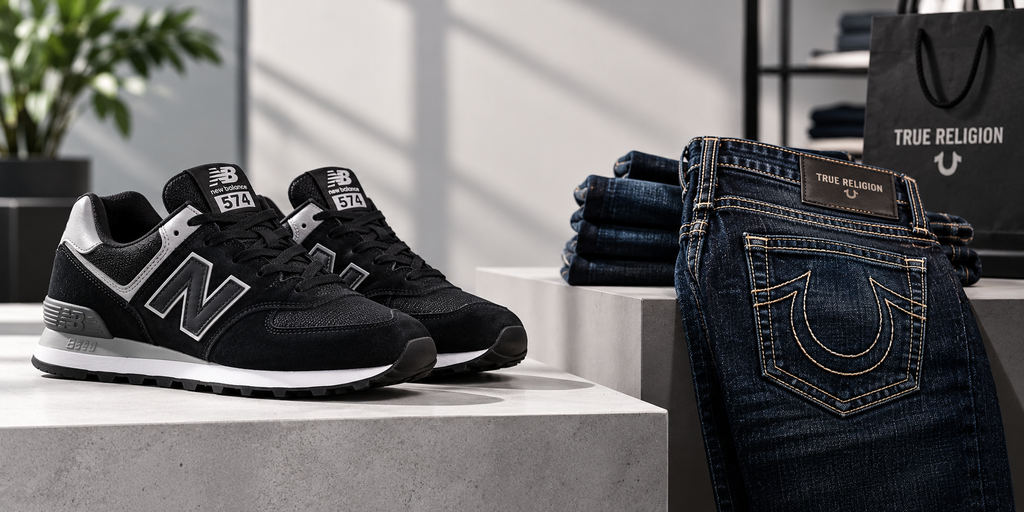
New Balance was a good example. The New Balance 574 was one of our bestselling products, so rather than concentrating on broad footwear terms, we focused our advertising on specific models where we had strong demand and sufficient stock. We took a similar approach with True Religion denim. This connected our advertising investment to products customers were actively looking for and that we were ready to sell.
I also found that priority brands were losing budget to other keywords within broader campaigns. We separated selected brands into dedicated campaigns, giving them clearer budgets and visibility. Ahead of the promotion, we improved product feeds so the products and information used in advertising were accurate. The aim was not to abandon generic searches altogether, but to make every pound of spend accountable to stock and commercial priorities.
Connecting Promotions with Paid Media
In the run-up to Black Friday, we planned a sequence of smaller three-day promotions: jackets first, then jeans, followed by sweats and hoodies. We chose these categories with stock availability in mind, then aligned paid activity to each promotion rather than letting existing campaigns run unchanged.
That required regular coordination within Ecommerce. If jackets were the focus for three days, our advertising budget needed to support jackets with sufficient stock. When the next promotion began, our campaigns shifted with it. This helped us concentrate spending on current offers and gave the traffic we attracted a better chance of converting. It also meant our promotional planning and campaign execution were part of the same conversation, rather than separate activities.
Making Better Use of Existing Customers
Paid advertising was only part of the plan. We already had a customer database containing useful information about previous purchases, brand preferences and category interests. I wanted CRM to contribute more, so we developed a targeted promotional calendar and sent relevant offers to customer segments rather than treating the database as one audience.
I particularly remember a promotion with Boss. We made the offer exclusive to selected customers through email for the first three days before opening it to the public. Customers with an interest in the brand had an opportunity to secure their preferred sizes and colours early, while the offer was still available. This gave the promotion a clear purpose for existing customers beyond simply announcing another discount.
During Black Friday 2018, I recall approximately 35% of our total sales coming through CRM activity. That contribution helped reduce pressure on paid advertising and supported the overall commercial result. It showed how much value we could unlock by using existing customer relationships alongside acquisition campaigns.
Keeping Promotional Messaging Simple and Clear
With several promotions running across paid search, email and the website, we needed customers to understand each offer immediately. I insisted on simple messages: what was on promotion, the original price, the new price and the saving. Customers should not have to interpret complicated wording to work out whether an offer is relevant.
We reviewed promotional communications in several rounds, involving stakeholders across the business, including senior management. The purpose was to remove jargon, check consistency and make the customer benefit obvious. For exclusive email offers, we explained the practical advantage of early access: a better opportunity to buy preferred sizes and colours before the promotion opened to everyone.
Connecting Onsite Merchandising with Promotional Campaigns
Attracting customers through an advertisement or email was only half the job. Once they reached the website, they needed to find the products we had promoted. I made sure key items with sufficient stock were highlighted in banners and appeared within the top ten positions on relevant product landing pages.
We also kept product imagery consistent across Google Shopping ads, CRM emails, website banners and landing pages. A customer who clicked on a product should recognise it immediately on arrival, without searching again. That connection between advertising, stock and onsite presentation made the journey simpler and reduced avoidable friction.
What Changed in 2018?
By Black Friday 2018, paid media, trading, CRM and merchandising were working to one commercial plan. Stock availability shaped what we promoted, budgets followed our priorities, existing customers received relevant offers and the website reflected the campaigns bringing people in.
The outcome contrasted sharply with 2017: we delivered a profitable quarter. I was proud of that result, which came from a team effort across Ecommerce and wider business teams. The changes were practical rather than complicated, but they required discipline, coordination and shared accountability.
Final Thoughts
Almost eight years have passed since that Black Friday. Advertising platforms and ecommerce technology have evolved, and retailers have more sophisticated tools available today. Yet the principles I learned in 2018 remain relevant. Trading, paid media, CRM, inventory and onsite merchandising still need to work together. Businesses still need to know what they have in stock, align promotions with commercial priorities and make it easy for customers to find what was advertised. Technology will continue to change, but I believe these fundamentals will matter just as much in future Black Fridays.